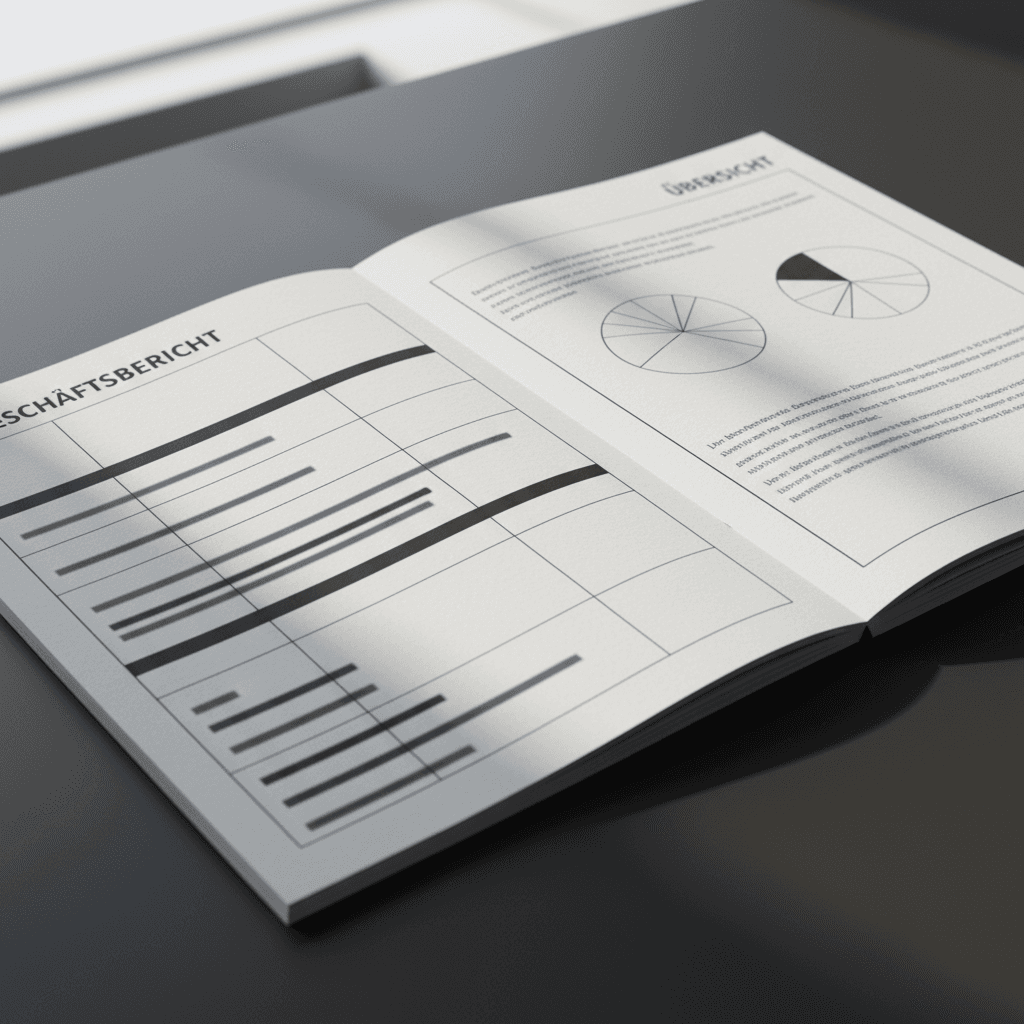
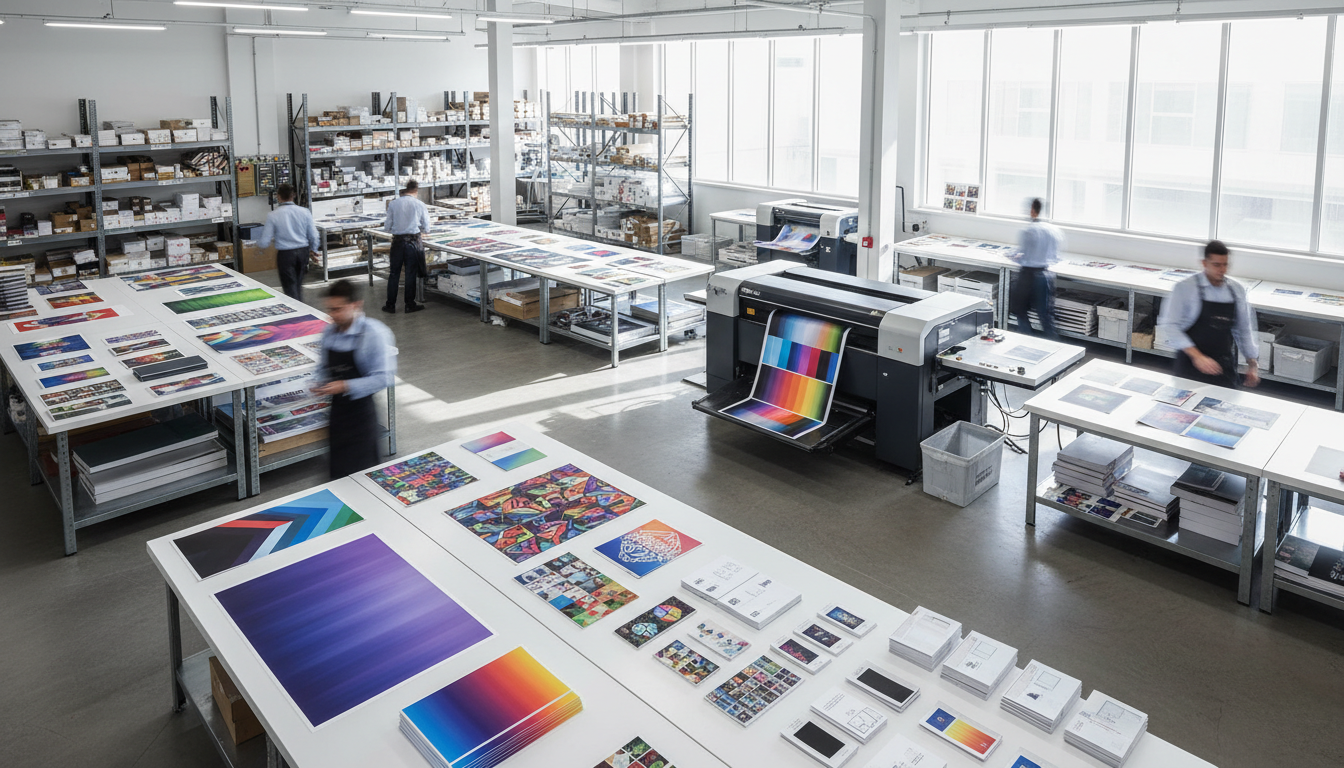
The single expert InDesign model streamlines the translation DTP workflow by integrating linguistic and design tasks into a single, efficient phase. This approach prevents costly rework by resolving layout issues like text expansion or font corruption immediately, ensuring that the final document maintains visual consistency with the source file.
Launching a multilingual publication often descends into a chaotic cycle of revisions when translation and design are treated as isolated silos. Project managers frequently encounter the frustration of receiving translated text that shatters a carefully crafted InDesign layout, forcing expensive designers to guess at line breaks in languages they do not speak. This disconnect creates a dangerous gap where financial precision and brand integrity are easily compromised. In an era of strict IFRS compliance and rapid global distribution, the traditional handoff model is no longer sustainable. This article explores why a single expert workflow is the only way to eliminate post editing costs and ensure layout consistency from the start. You will learn how integrating linguistic expertise directly into the DTP process manages text expansion friction and delivers publication ready documents that require zero rework.
The Inefficiency of the Traditional Handoff in Multilingual Publishing

The final weeks of the fiscal reporting cycle are defined by shifting regulatory deadlines, late-stage audit adjustments, and intense pressure from corporate boards. In this high-stakes environment, publishing an annual report across multiple languages usually relies on a fragmented assembly line. First, a financial translator processes the disclosures within a standard translation software. Once exported, these text files are handed off to a graphic designer who typically does not speak the target language. This designer must then import complex German, French, or Spanish financial data into Adobe InDesign layouts without understanding the semantic context of the words they are positioning.
This traditional handoff is where formatting errors, compromised financial tables, and incorrect line breaks multiply. A professional translation DTP workflow must serve as a seamless bridge between linguistic accuracy and visual integrity. When these tasks are isolated from each other, the safety of the corporate message is compromised.
Separating language from layout is a legacy model that no longer serves the precision required for complex multilingual financial reporting. When the specialist formatting the page cannot read the underlying financial data, compliance risks rise and project timelines stall during final review rounds. Exportbridge bypasses this vulnerability completely through integrated DTP and layout services, where a single financial expert manages both the technical language and the native InDesign file simultaneously. This unified approach eliminates the structural gap between corporate text and publication-ready presentation.
The Handoff Gap: Where Financial Accuracy and Layout Consistency Collide

The Handoff Gap represents a structural failure in the production chain where linguistic precision is sacrificed for layout convenience. When a graphic designer receives a French or German translation to flow into an InDesign layout, they often lack the context to make critical typographic decisions. Simple tasks like managing line breaks or hyphenation become high-risk activities. In German, for instance, a misplaced hyphen in a compound financial term can change the technical meaning or, at the very least, signal a lack of professional rigor to institutional investors. The designer, focused on visual aesthetics, cannot be expected to know if a break in a complex French banking term violates standard accounting conventions.
Financial institutions face particularly acute risks during this phase. IFRS table columns require absolute alignment to ensure that comparative data remains legible and accurate across every language version. A designer who does not understand the underlying financial data may inadvertently shift a column or orphan a crucial qualifier in a balance sheet. They might also fail to notice when a decimal separator or a currency symbol has shifted during the import process, leading to potential misinterpretations of the fiscal results. Without a unified translation DTP workflow, these errors often go unnoticed until the final proofreading stage, or worse, until after publication.
Treating Multilingual DTP as an afterthought is a costly strategy. It assumes that the visual and the linguistic are separate entities; however, in high-stakes corporate communication, the layout is the language. Integrated multilingual financial reporting ensures that the specialist formatting the InDesign file is the same expert who understands the IFRS requirements and the nuances of the target language. To ensure your next annual report meets these standards without the friction of traditional handoffs, you may contact our financial translation experts to discuss a more secure, unified approach.
Managing Text Expansion and Contraction Without Design Friction
One of the most persistent technical challenges in multilingual financial reporting is managing text expansion and contraction. When translating from English into German or French, the character count typically increases by 20 to 30 percent. In a fragmented assembly line, this expansion manifests as "overset text" where the translated content spills out of its designated InDesign frames.
In a traditional workflow, a graphic designer, unable to read the target language, identifies these overflows as visual errors. They then send the file back to the translator with a request to shorten the text. This "word cutting" is dangerous for corporate issuers; it forces the translator to sacrifice technical precision or corporate tone just to fit a layout, potentially omitting critical IFRS disclosures or softening the impact of investor communications. The resulting rounds of rework add unnecessary days to the production schedule.
By adopting a unified translation DTP workflow, this friction is eliminated. A single expert, possessing both linguistic mastery and technical InDesign proficiency, makes typographic adjustments in real time. Rather than compromising the text, the specialist adjusts tracking, kerning, and frame geometry to accommodate the longer French or German phrasing. Because they understand the financial context, they can make informed decisions about line breaks and character spacing that preserve the visual hierarchy of the annual report without altering the author’s original meaning. This level of integrated DTP and layout services ensures that the visual presentation supports the financial data rather than dictating its length.
Why Single Point of Accountability Matters for IFRS Compliance
Traditional agency workflows distribute responsibility across a project manager, a translator, and a graphic designer. This fragmentation creates a high risk for "language drift," where the technical precision of the original disclosure is slowly eroded as the file moves between hands. In multilingual financial reporting, even a minor deviation in terminology can lead to non-compliance with IFRS standards. These standards demand that specific disclosure wording remains identical in meaning across German, English, French, and Spanish versions to ensure global investors receive the same information.
A single point of accountability eliminates these handoff vulnerabilities. When one expert manages both the linguistic nuances and the Adobe InDesign file, the margin for error drops significantly. This specialist ensures that harmonized glossaries are applied directly within the layout, guaranteeing that a term used in a German balance sheet carries the exact regulatory weight when rendered in its French or English counterpart. There is no risk of a designer inadvertently selecting an outdated version of a text block or a translator being unaware of a late-stage layout constraint.
This unified translation DTP workflow provides a level of oversight that a fragmented team cannot match. The expert maintains a holistic view of the document, ensuring that the corporate tone and mandatory disclosure phrasing remain stable from the first draft to the final export. By consolidating these roles, companies secure their compliance posture. You can contact our financial translation experts to learn how this model protects the integrity of your next IFRS filing.
Eliminating Post-Editing Costs with Publication-Ready Deliverables
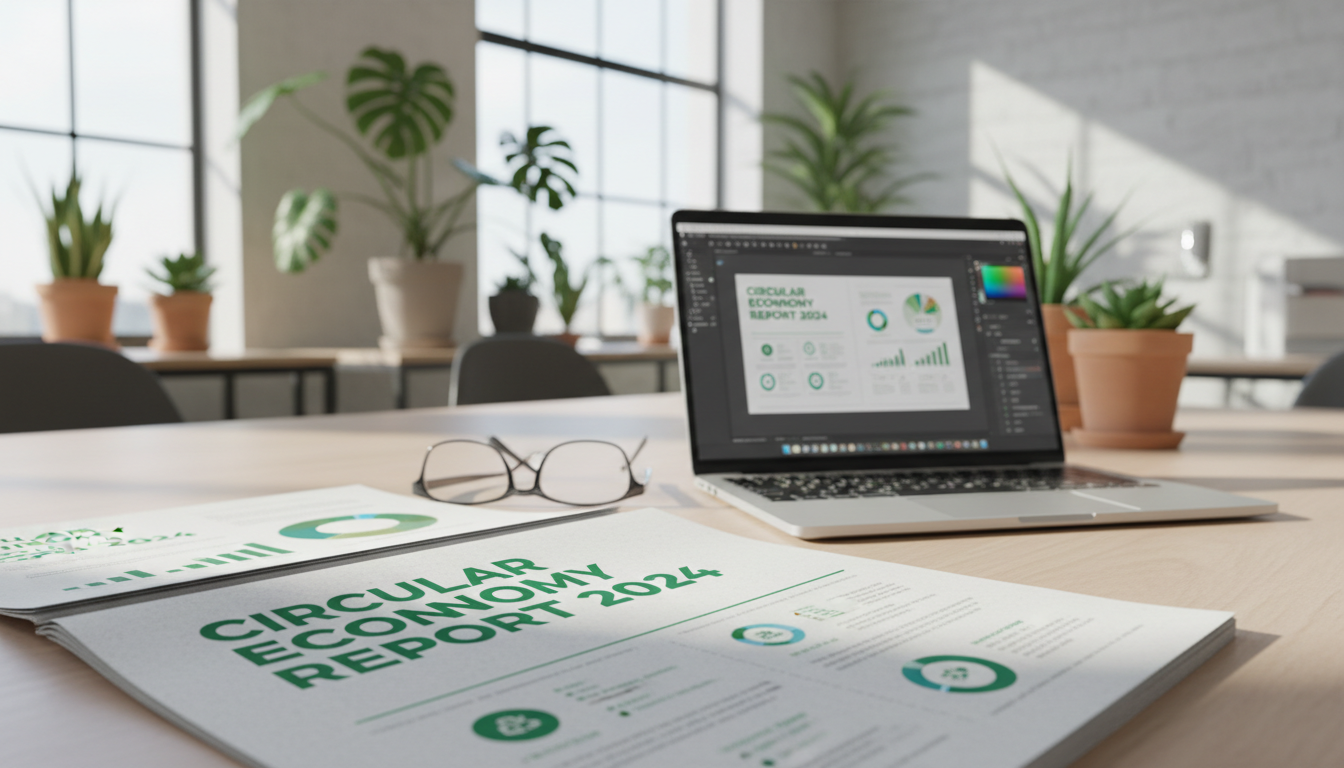
Traditional agency models often hide significant operational costs behind a lower initial quote. In a standard workflow, the translation and the layout are treated as separate phases, frequently resulting in a deliverable that requires extensive internal post-editing. When a design team receives a translated file, they often find broken text flows or orphaned characters that they must fix manually, despite not speaking the language. This manual rework creates a hidden tax on the corporate communications budget.
Exportbridge eliminates this friction by providing publication-ready IDML or INDD files. Because a single expert manages the translation DTP workflow directly within the Adobe InDesign environment, every line break, table alignment, and hyphenation point is verified against both linguistic and aesthetic standards before delivery.
Feature | Traditional Agency Handoff | Exportbridge Unified Workflow |
|---|---|---|
Deliverable State | Requires internal layout review | Printer-ready IDML/INDD |
Layout Adjustments | Performed by non-linguists | Handled by financial translator |
Hidden Costs | High (Internal post-editing) | Zero (Final files delivered) |
This level of precision is built on the foundation of GBS e.K., which has served the European financial markets since 2001. Based in Catalonia, Spain, we leverage decades of experience in international reporting to ensure that multilingual financial reporting is a seamless process rather than a coordination burden. Through integrated DTP and layout services, we provide the technical rigor required for IFRS filings. To streamline your next reporting cycle, contact our financial translation experts for a workflow that respects your deadlines and your budget.
Common Questions About Multilingual Desktop Publishing Workflows
Understanding the technical mechanics of a translation DTP workflow helps clarify why an integrated approach is essential for high-precision documents. Here are the most frequent questions regarding these processes.
What does DTP stand for in translation? In the context of international communication, DTP stands for Desktop Publishing. It refers to the technical phase where translated content is formatted and arranged within a professional design environment to mirror the source document. For corporate issuers, this means ensuring that a German balance sheet maintains the exact visual structure, font specifications, and spatial relationships as the original English version.
What is multilingual DTP? Multilingual DTP is the specialized discipline of managing design consistency across several languages simultaneously. The goal is to preserve corporate branding and visual hierarchy while navigating the specific typographic rules of each target language. In multilingual financial reporting, this involves harmonizing complex elements, such as numerical formats and footnote alignments, across French, Spanish, German, and English versions to ensure a uniform investor experience.
Why does InDesign require specialized translation handling? Adobe InDesign is the industry standard for annual reports, but it does not treat text as a simple data stream. It relies on precise frames, linked layers, and style sheets that often break when handled by non-experts. Because German and French text can expand by up to 30 percent, specialized handling is required to manage overset text without compromising the document's integrity. An integrated expert provides integrated DTP and layout services by adjusting kerning, tracking, and leading directly within the file. This task requires a dual-competency that a standard translator or a non-linguist designer simply does not possess.
To discuss how this unified model can secure your next reporting cycle, contact our financial translation experts for a detailed consultation.
Streamlining your workflow with a single expert ensures that technical nuances in InDesign are never lost in translation. This focused approach reduces costly revisions while maintaining the visual integrity of your multilingual projects. If you want expert help managing these complexities, our specialized services in DTP & Layout can help you achieve a polished, professional result every time. Taking this step ensures that your global communications remain both accurate and visually compelling for every target market.