

Optimising annual report translation text expansion layout readability involves designing flexible InDesign templates that account for the 20 to 30 percent growth typical in German and French translations. Using professional desktop publishing services ensures that financial data remains perfectly aligned and legible; this prevents overset text and maintains investor confidence in global markets.
You have spent months perfecting the English version of your annual report, ensuring every margin and typographic choice communicates stability. However, when the German or French translations arrive, the layout often collapses. Text expansion in these languages frequently exceeds forty percent, causing overset text, broken grids, and illegible financial tables. This is more than a design inconvenience; it is a threat to investor trust. A cluttered or poorly formatted report suggests a lack of attention to detail that can reflect poorly on your corporate governance. In this article, we examine the specific linguistic challenges of French and German financial terminology. You will learn why the traditional gap between translation and design causes failure; furthermore, we provide practical strategies for merging linguistic precision with sophisticated InDesign expertise to ensure your multilingual reports remain authoritative and readable.
The Physics of Financial Language: Why French and German Versions Break Your Layout
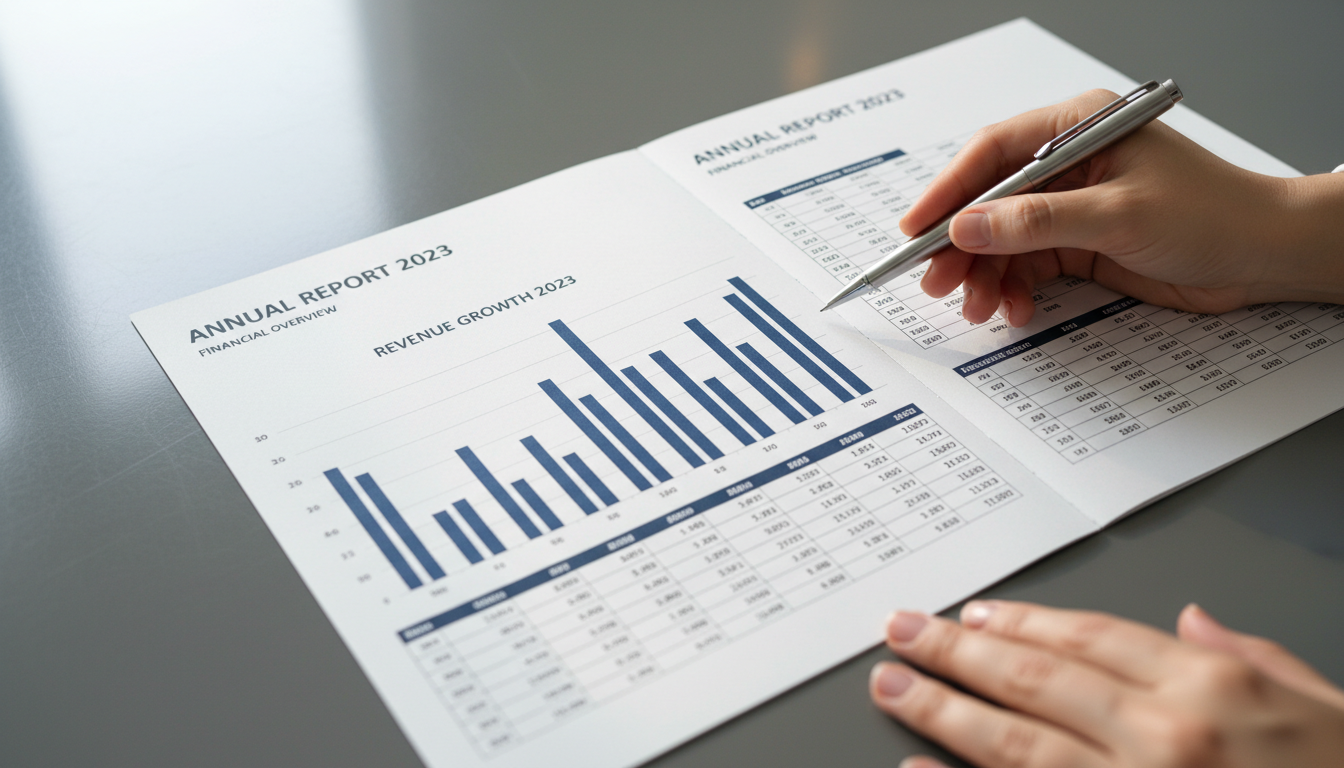
In the context of multilingual reporting, text expansion describes the physical growth of content when translated from a concise source language into a more verbose target language. This is not a stylistic choice but a predictable linguistic phenomenon with significant design consequences. English is structurally compact; it relies on short, punchy verbs and noun-heavy clusters that occupy minimal horizontal space. When these same concepts are rendered for high-precision financial translations into French, the text typically expands by 15 to 25 percent. German presents a more extreme challenge, where the surge frequently exceeds 35 percent.
This growth is particularly volatile in short strings, such as table headers or infographic callouts, where a single English word can expand by 100 percent or more to maintain its technical accuracy. The core thesis of professional reporting is that layout is a proxy for corporate discipline. In a high-stakes annual report, text expansion is not just a design nuisance; it directly degrades the document’s professional authority. When text expands without a corresponding adjustment in design, the carefully balanced English source, which originally appeared airy and navigable, becomes a cramped maze of narrow margins and dense, impenetrable text blocks.
The resulting visual density negatively impacts annual report translation text expansion layout readability. While the English version may guide the reader’s eye through spacious balance sheets and clear executive summaries, the translated version often feels disorganized. If the layout appears squeezed or if text is forced into areas where it does not belong, investors may subconsciously perceive the underlying financial management as equally disorganized. Managing the physics of language is therefore a requirement for maintaining investor trust.
How Overset Text and Cramped Grids Erode Investor Readability
The connection between document aesthetics and investor psychology is not merely superficial; it is quantifiable. Academic research, such as studies published by Emerald Insight, demonstrates that poor readability in corporate disclosures leads to diminished investment efficiency. When investors encounter a document where text expansion has not been professionally managed, the cognitive load required to process the data increases significantly. This is the point where annual report translation text expansion layout readability ceases to be a design concern and becomes a material risk to market perception.
Graphic designers often attempt to solve expansion issues by manipulating typography in ways that compromise clarity. Reducing font size to accommodate a lengthy French translation or narrowing letter spacing, also known as tracking, to fit a German paragraph into a fixed grid makes financial data harder to digest. Squeezing margins to reclaim white space removes the visual breathing room necessary for the eye to track complex figures across a page. These compromises create a dense, impenetrable block of text that signals a lack of transparency, regardless of the actual financial performance. If the reader must struggle to physically read the report, the perceived risk of the investment naturally rises.
A more critical technical failure is overset text. Within Adobe InDesign, if a translated string exceeds the defined text frame, the excess content is simply hidden from view. In a high-stakes financial environment, this means crucial IFRS disclosure wording or specific legal caveats can be literally cut off. An incomplete footnote or a truncated liability statement is more than a layout error; it is a breach of statutory precision that can lead to regulatory scrutiny. If the final publication looks cramped or contains visible layout errors, the sophisticated investor may conclude that the underlying financial management is equally haphazard. To ensure your reporting maintains the highest standards of clarity and compliance, you should contact our multilingual reporting experts to discuss integrated layout management.
The German Compound Word Challenge in Financial Tables
The structural integrity of a financial table relies on fixed column widths that align precisely across multiple pages. German morphology presents a unique obstacle to this alignment through the use of compound nouns. While an English financial highlight might use three or four distinct words to describe a "going concern forecast," the German equivalent, Unternehmensfortführungsprognose, is a single, uninterrupted string of characters. This linguistic fusion creates a rigid block of text that lacks the natural break points found in English phrases.
In the narrow confines of a financial table column, these long strings frequently exceed the available horizontal space. Unlike English, where multi-word headers naturally wrap to a second line, German compounds often cannot be split without compromising professional tone or technical clarity. Arbitrary hyphenation in a balance sheet or cash flow statement often appears amateurish; furthermore, incorrect breaks can lead to a misinterpretation of IFRS-compliant terminology. This is a primary driver of layout failure in high-precision financial translations where every character must serve a specific statutory purpose.
When a designer attempts to accommodate these long strings by widening a single column, it triggers a domino effect across the entire grid. Pushing a column just a few millimeters to the right can force the final column of a five-year summary off the physical page edge or into the gutter. This mechanical failure forces a choice between two poor outcomes: reducing the font size until the text is illegible or manual layout adjustments that break the vertical alignment of numerical data. These compromises directly impact annual report translation text expansion layout readability, as the reader’s eye no longer finds the consistent anchors needed to scan complex financial data. Solving this requires more than just translation; it requires a deep understanding of how German syntax interacts with the grid-based logic of professional financial publishing.
Common Failure Points in Multilingual Investor Publications
The mechanical failures triggered by specific linguistic structures are part of a broader "split-brain" conflict in investor relations. Corporate communications teams must simultaneously satisfy the aesthetic requirements of high-end corporate messaging and the rigid, non-negotiable rigor of statutory reporting. When these two priorities collide during high-precision financial translations, the document's structural integrity is often sacrificed in four critical areas:
Table Headers: Concise English headers often expand by 100 to 300 percent when rendered in German or French. A short string that fit comfortably in a narrow column becomes a multi-word technical phrase, forcing row heights to double or columns to shift, which disrupts the vertical alignment of numerical data.
Infographic Callouts: Labels designed to fit beneath icons or within specific geometric callouts rarely survive the transition. When French text expands by 25 percent, it frequently overlaps the graphic elements, rendering the visual data unprofessional and difficult to interpret.
Financial Highlights Sidebars: These stylized, fixed-width boxes have no physical flexibility. A 35 percent German text surge either results in overset text that disappears from the page or requires font size reductions that destroy annual report translation text expansion layout readability.
Footnotes: Legal and IFRS terminology in footnotes must remain precise; translators cannot truncate these strings to save space. Consequently, expanded text often causes footnotes to overflow their designated frames, separating vital disclosures from the figures they qualify.
These failures signal a lack of technical discipline to sophisticated readers. To avoid these common pitfalls and ensure your report remains publication-ready, you may contact our multilingual reporting experts for an integrated workflow.
Why the Traditional Handoff Between Translator and Designer Fails

The standard linear workflow for high-precision financial translations relies on a fragmented handoff that introduces significant structural risk. Typically, an organization receives a translated Word document from an agency and passes it to a graphic designer who likely does not speak German or French. This separation of language and layout is where annual report translation text expansion layout readability often collapses.
Because the designer cannot read the target language, they treat technical text as a static graphic element rather than a carrier of statutory meaning. When a forty-character German compound word refuses to fit a narrow table column, the designer is forced to make uninformed guesses. They might arbitrarily break a word in a way that alters the technical meaning, or they may shrink the tracking until the text becomes an illegible block.
This results in a reactive cycle of endless PDF markups. Linguists identify errors in the layout proof, the designer applies manual fixes, and those fixes often trigger new overset text issues elsewhere. The hidden costs of these coordination loops are substantial, causing compounding delays during the critical Q1 reporting window. To avoid these publication bottlenecks and ensure your data remains accessible, you should contact our multilingual reporting experts to discuss a unified workflow.
The Integrated Solution: Merging Linguistic Precision with InDesign Expertise
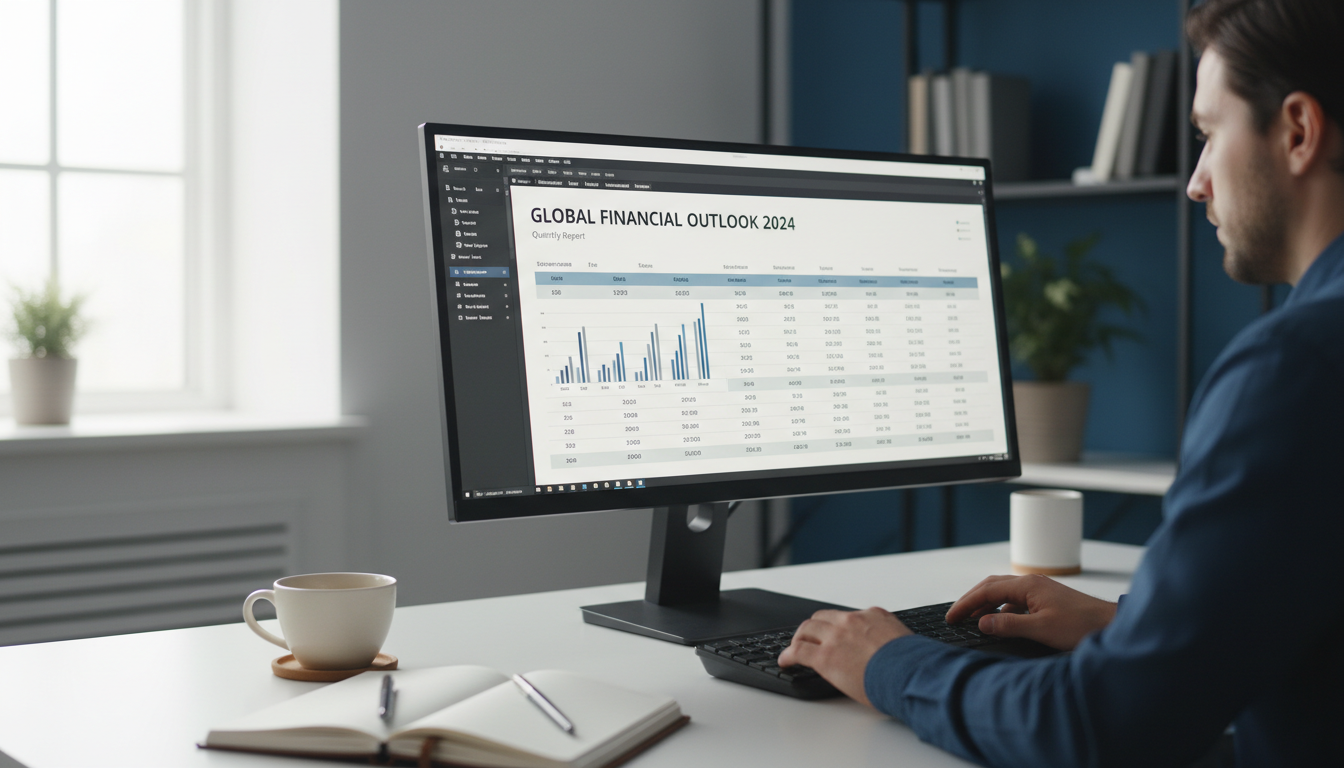
The ExportBridge methodology eliminates the traditional friction between language and design by unifying them into a single, technical workflow. Rather than treating high-precision financial translations as a separate stage from layout, we operate directly within the native Adobe InDesign (IDML/INDD) files. This allows a single expert to manage the linguistic nuances of EN, FR, DE, and ES alongside the physical constraints of the document grid. When a German disclosure expands by 35 percent, the solution is developed in real-time. The translator, who also functions as the desktop publishing expert, can immediately adjust the text flow or refine the phrasing to maintain statutory precision without breaking the visual hierarchy.
This integrated approach ensures that annual report translation text expansion layout readability is preserved from the first draft to the final publication. There is no guesswork regarding where to split a compound noun or how to shrink a footnote to fit its frame. By working inside the layout, we identify overset text immediately and resolve it using professional typography and IFRS-aligned terminology. This eliminates the risk of missing content that often occurs when designers who are unfamiliar with the target language attempt to manage overset frames manually.
Since 2001, building on the foundation of GBS e.K., we have refined this process to provide corporate issuers and financial institutions with publication-ready files that require no further internal editing. This model eliminates the coordination overhead and scheduling delays inherent in fragmented workflows. To secure your reporting timeline and ensure absolute consistency across all language versions, you should contact our multilingual reporting experts for a consultation on your next reporting cycle.
Navigating the complexities of text expansion in German and French annual reports is essential for maintaining investor confidence. When layout and linguistic precision align, your financial data remains clear and professional. If you want expert help managing these intricate requirements, consider exploring our specialized services for Financial Translations. Our team ensures that your reports stay readable and visually balanced across every market, allowing you to focus on your core business goals while we handle the technical details of your global communication.